
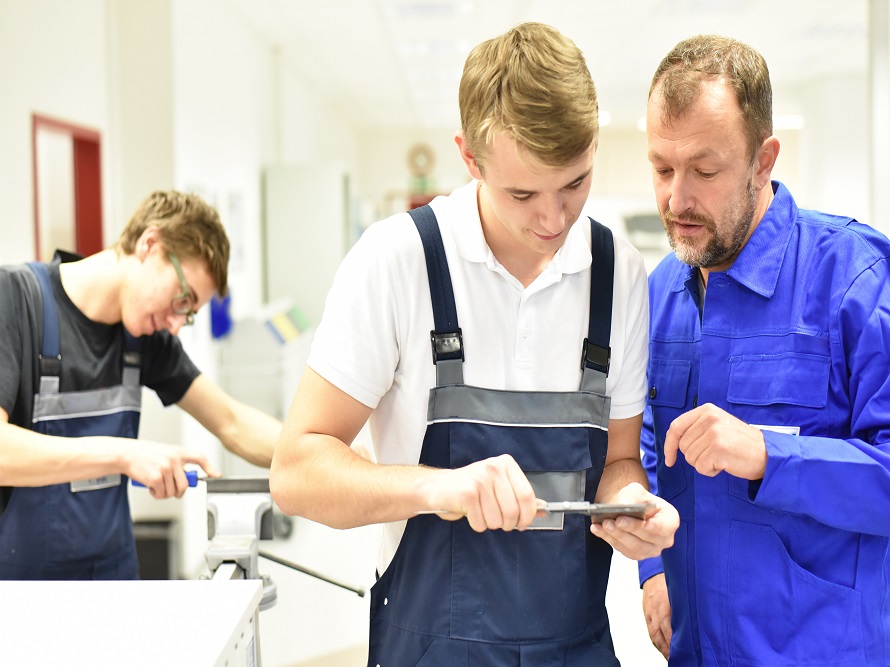
How do big infrastructure projects or global corporations improve the delivery of carefully constructed health, safety and security training to every worker in the multiples of daily, weekly and monthly coverage required?
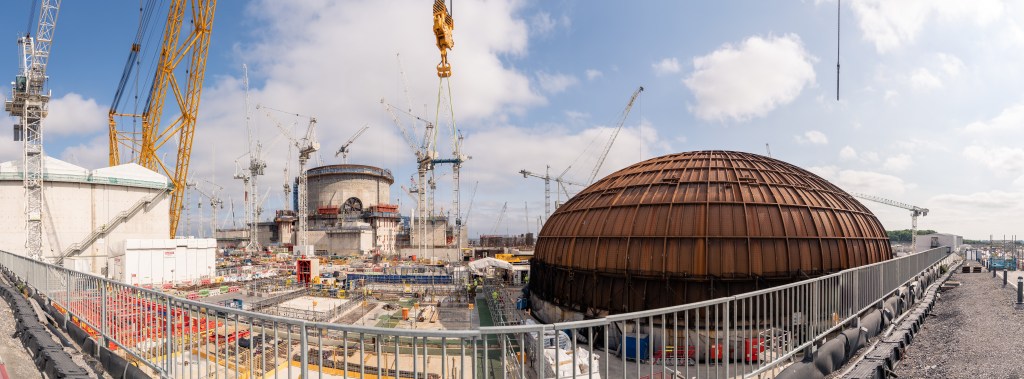
Given that different suppliers and teams within companies are groupings of individuals from a variety of backgrounds, the delivery of HSE and security training across a whole nuclear project and the audit of content consumption is a complex but essential task; this aside from ensuring messaging is understood and acted on.
With the advent of mass communication like email, mobile apps and video, distribution of safety training to a wide internal audience is greater now than in was in the past. And whilst there is always the option to bring together teams for one-off face-to-face sessions, this is time consuming, expensive and difficult to schedule.
Looking to the future, opportunities are emerging to harness innovation in training distribution and increase engagement levels by streamlining pathways and optimising user understanding at a granular level. All of which will help to reduce project costs whilst expanding the reach and transparency.

Having worked in nuclear construction visual communications across uneven and ever changing workforce requirements for several years, the team at Woodbridge Visual Media has clear insights into effectively managing lean, holistic video training.
We’ve been involved in creating training content for the innovative interactive induction centre created by Bylor at Hinkley Point C and we produce bespoke category training demonstrations for different workforce trades in Tier 1 provision. But importantly we also manage a centralised video hosting service for Bylor to ensure flawless roll out of video to morning briefings via tablet or into platform group meetings on screens.
Our remit as visual specialists is to create specific content with the HSE team and deploy approved training video thorough a controlled distribution solution that is fully accessible on a myriad of devices from mobile, tablet, screen, TV walls and individual presentation.
Additionally we’re able to harvest analytics data to identify who is watching and for how long.
As the nuclear new build project develops across the UK, we are further refining the flexibility that video offers to reach outliers, especially those who require training in their own language or have a particular need for visual demonstration. Language subtitling, language dubbing and non-verbal animation are all options for the training environment.
These are lessons learnt at the coal face. We have a good understanding of what works and what doesn’t. It all starts with strategy and investment. The commitment to follow a training provision plan with content and distribution at its heart and an aim to reach everyone on an ongoing basis with all health, safety, environment and security notifications is not a ‘nice to have’, but part and parcel of the regulatory regime. And the tools exist to achieve it at cost with a robust audit trail to boot.
In the past video training itself was a thing. But times have moved on.
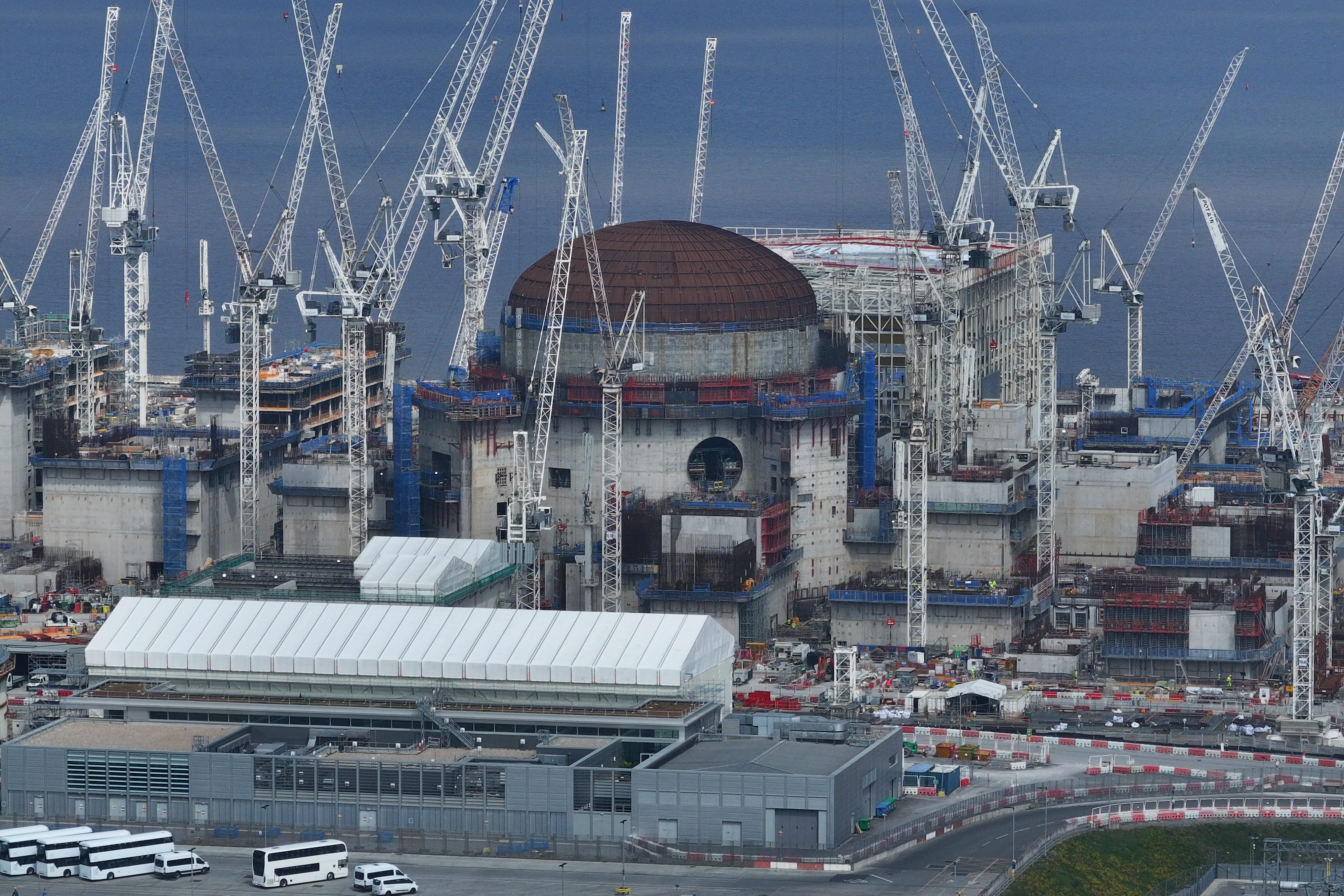
Now that video as a training medium is well embedded in the HSE lexicon, the wrap-around and insight into what works as content (length, inclusion, language, narrative); how to distribute it to ensure it is watched, understood and acted on and how it provides an audit, is part of the wider visual communications framework.
It is this that underpins best practice in complex infrastructure projects and does so whilst reducing overheads.
 Woodbridge Visual Media Ltd